Source Eco Friendly Fleece Hoodie for Sport, Home, and Outdoor
Source eco friendly fleece hoodie options from 30 verified listings. Compare features like organic cotton blends, moisture-wicking properties, and customization for sport, home, and outdoor use. Find suppliers offering print or embroidery logo services; compare the available evidence and request quotations based on your requirements.
Key considerations
Products List




Comprehensive Sourcing Guide
Eco Friendly Fleece Hoodie Sourcing Guide
Buyers seeking eco-friendly fleece hoodies must first distinguish between genuine sustainable materials and standard synthetic blends. The observed product data indicates a mix of compositions, including 100% cotton, 100% polyester, and various blends containing spandex. While some listings explicitly mention organic cotton, others rely on generic "blends" without specifying the percentage of recycled fibers. This variance requires careful scrutiny of the material composition field to ensure the product aligns with specific environmental goals rather than relying on broad marketing terms.
Procurement teams should verify the specific origin and processing methods associated with the claimed materials. The supply chain data points to origins in Shanghai and general China-based manufacturing, where production standards can vary significantly between suppliers. Buyers must confirm whether the "eco-friendly" designation refers to the raw material source, such as organic cotton, or the manufacturing process, such as water-saving dye techniques. Without explicit documentation, the term may simply describe the softness or warmth of the garment rather than its environmental impact.
Product Scope and Observed Listing Signals
The current market listings for hoodies reveal a diverse range of styles, from sporty slouchy fits to structured drawstring hoods. Observed attributes include features like moisture-wicking capabilities, warm insulation, and breathable fabrics, catering to both home and active use cases. The size spectrum ranges from specific measurements like 27 1/2 inches to free-size options, indicating that buyers must define their target demographic clearly before sourcing. The presence of floral patterns alongside solid colors suggests a need to align product aesthetics with brand identity.
Customization options are a dominant signal in the current inventory, with many suppliers offering logo printing, embroidery, and custom labels. This flexibility allows brands to tailor products for specific seasons, such as spring and autumn, while maintaining a consistent brand voice. However, the availability of customization often comes with minimum order quantities that can range from 20 to 202,000 units. Buyers must balance the desire for unique designs with the logistical and financial constraints imposed by these varying MOQ thresholds.
Technical Specifications to Verify
Material composition is the primary technical specification that determines the sustainability and performance of the hoodie. Buyers must verify whether the fabric is 100% organic cotton, a cotton-polyester blend, or a synthetic fleece alternative. The observed data includes specific standards like 0.5kg per piece, which serves as a baseline for weight consistency but does not guarantee fiber origin. It is critical to request detailed fabric swatches and mill certificates to confirm the actual blend ratios and the presence of any recycled content.
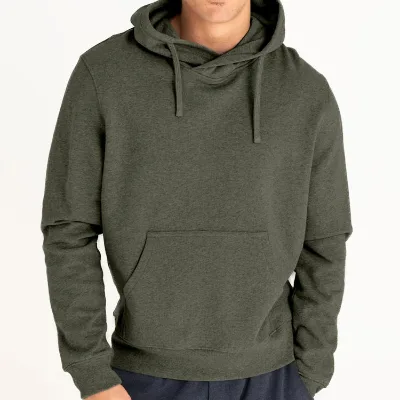
Construction details such as sleeve length, pocket placement, and hood type also require strict verification against the product model. Listings show variations including long sleeves, kangaroo pockets, and fixed hoods with drawstrings. The shoulder pad description notes a natural and smooth finish, which impacts the drape and comfort of the garment. Buyers should ensure that the ribbed cuffs and hem are durable enough to withstand repeated machine washing and tumble drying without losing their shape or elasticity.
Compliance and Safety Documentation
Sourcing eco-friendly apparel necessitates rigorous verification of compliance documentation, particularly regarding chemical usage and labor standards. While some background data mentions GOTS certification, this should not be assumed for all listed products without direct proof from the supplier. Buyers must request valid certificates for organic cotton claims and ensure that the manufacturing facilities adhere to international safety standards for textiles. The absence of specific certification data in the general listing requires proactive inquiry to avoid non-compliant inventory.
Safety and quality standards also extend to the physical properties of the finished goods, such as colorfastness and shrinkage rates. The observed standard of 100% cotton or polyester suggests that buyers need to test for pilling and fading, especially for garments intended for frequent wear. Documentation should confirm that the dyes used are non-toxic and that the production process minimizes environmental impact. Without these specific safety reports, the "eco-friendly" label may be misleading and expose the buyer to reputational risks.
Cost Drivers and Commercial Terms
Pricing for eco-friendly hoodies is heavily influenced by material costs, order volume, and the complexity of customization. The observed price range spans from 1 to 2020 USD, reflecting the vast difference between basic stock items and highly customized, premium quality garments. High MOQs, such as those reaching 202,000 units, often correlate with lower per-unit costs but require significant capital investment. Buyers must calculate the total landed cost, including packaging and shipping, to determine the true economic viability of the order.
Commercial terms regarding packaging and logistics also play a crucial role in the final cost structure. Listings indicate packaging methods ranging from simple paper cartons to specific dimensions like 865335 cm for sets. These packaging requirements affect shipping efficiency and storage costs, particularly for international buyers. Additionally, the origin location, primarily Shanghai or general China, impacts lead times and freight expenses. Buyers should negotiate clear terms for packaging customization and shipping responsibilities to avoid unexpected cost overruns.
Supplier Qualification and Quality Control
Supplier qualification for eco-friendly products requires a deep dive into their manufacturing capabilities and quality control systems. Buyers should assess whether the supplier has experience with organic materials and sustainable production practices, as indicated by the "OEM" and "Customized" labels in the data. The presence of multiple product models suggests a capacity for varied production runs, but consistency across batches must be verified through sample testing. A robust quality control plan is essential to ensure that every hoodie meets the specified material and construction standards.
Quality control checks should focus on the integrity of the stitching, the durability of the fabric, and the accuracy of the customization. The observed features like soft and cozy textures and true-to-size fits must be validated against physical samples before mass production. Buyers should implement a pre-shipment inspection protocol to catch defects in the kangaroo pockets, drawstrings, or ribbed cuffs. Establishing a clear communication channel with the supplier ensures that any deviations from the agreed specifications are addressed immediately.
Long-Term Procurement Checks
Establishing a long-term partnership with a supplier requires ongoing monitoring of product consistency and supply chain transparency. Buyers should regularly audit the supplier's ability to maintain the claimed material standards, such as 100% organic cotton, over multiple production cycles. The dynamic nature of the market means that material availability and pricing can fluctuate, so contracts should include clauses for price adjustments and material substitution. Continuous communication helps ensure that the supplier remains aligned with the buyer's evolving sustainability goals.
Performance tracking of the finished goods in the market is another critical long-term check. Buyers should gather feedback on the durability, comfort, and washability of the hoodies to identify any recurring issues. The observed wash care instructions, such as machine washing and tumble drying, must be validated by real-world usage data. If defects arise, the supplier must be held accountable for corrective actions. This proactive approach ensures that the brand maintains its reputation for quality and sustainability in the competitive apparel market.
FAQs
What materials are used for these hoodies?
The hoodies are crafted from cotton, polyester, or blends including spandex for stretch. Some options feature 100% organic cotton or cotton-polyester mixes. These materials ensure durability and comfort. The fabric choices support breathability and warmth, making them suitable for spring and autumn wear in home or sport settings.
Can I customize the logo on the hoodie?
Yes, logo customization is available for these hoodies. Buyers can choose between print or embroidery options to brand the garments. This service allows for distinct corporate or personal identification. The customization feature supports various design needs, ensuring the final product aligns with specific branding requirements and aesthetic preferences.
What is the minimum order quantity for these items?
The minimum order quantity ranges from 20 to 202,000 pieces depending on the specific supplier and product model. This wide range accommodates both small trial orders and large bulk purchases. Buyers should check individual listings for exact MOQ requirements. Flexible ordering options help businesses of various sizes source suitable inventory efficiently.
Are these hoodies suitable for adult wear?
Yes, these hoodies are designed specifically for adults. They are categorized as unisex sport-style garments suitable for home use. The sizing includes standard options like S and free sizes, ensuring a proper fit for adult bodies. The slouchy fit and soft fabric enhance comfort for everyday adult wear.
How should I wash and care for the hoodie?
Care instructions recommend machine washing and tumble drying for these hoodies. This method maintains the fabric's integrity and softness. Following these guidelines helps preserve the garment's shape and color. Proper care ensures longevity, keeping the hoodie cozy and breathable for repeated use in various seasonal conditions.
Where are these hoodies manufactured?
These hoodies are manufactured in China, with specific origins noted in Shanghai. The production location supports efficient sourcing and logistics for international buyers. Understanding the origin helps in assessing shipping times and regulatory compliance. The Chinese manufacturing base offers a wide variety of styles and customization options for global markets.